
The thing about school breaks, which honestly has yet to be talked about to teachers beforehand, is that returning from them can be ROUGH. You would think the kids would be more Zen and calmed down because of the time off, especially when considering the chaos that typically happens leading up to a school break. But you would be wrong. Your students come back to you acting like they’ve lost touch with all sense of reality and left every ounce of home training they used to know back at the door.
There’s no denying it: the first couple of days back from any break, especially as significant as Spring Break, can be extraordinarily trying. But I have a couple of tricks up my sleeve that can help. Let’s check them out!
- New Seating Chart
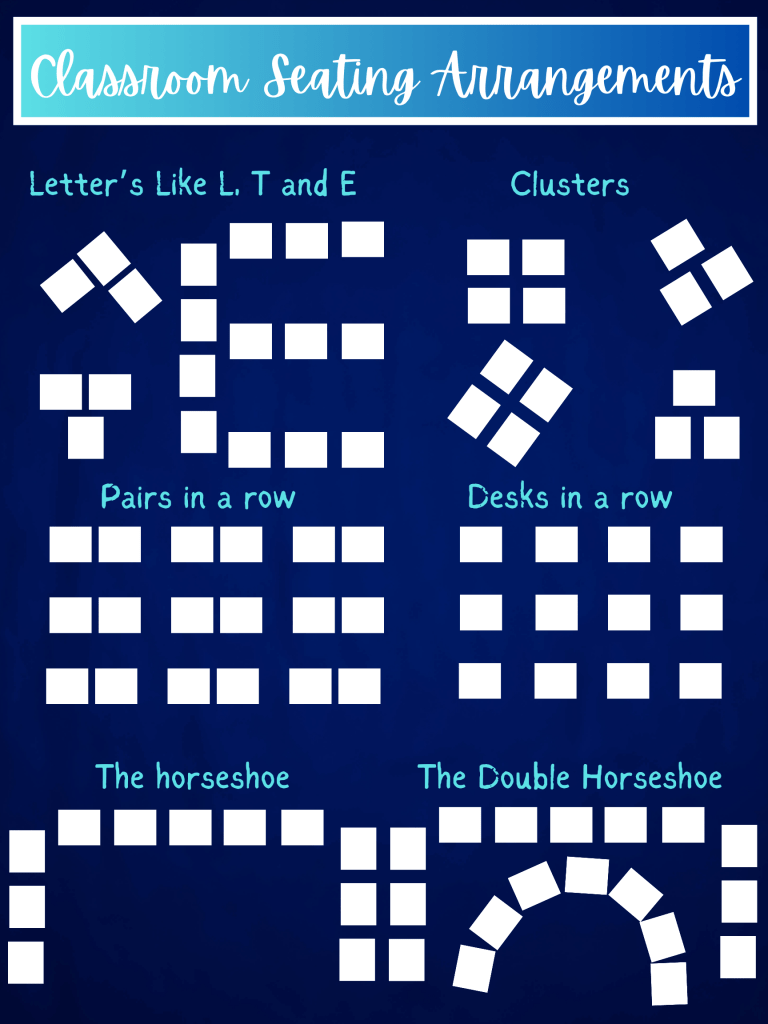
Think about it this way: your kids became comfortable with each other in the weeks leading up to Spring break, too relaxed. If they come back into the room and it’s set up the same way as it had been leading up to the break, it can be straightforward to fall back into bad habits, like side conversations with your buddy in the seat next to you. Start your time off after the break with a fresh start, and give yourself a new seating chart. You may want to move the students but keep the desk arrangements, or you may want to change the arrangements entirely, like going from groups to horseshoe seating.
- Classroom Spring Cleaning
- Emptying desks, cubbies, and Lockers
This one is self-explanatory, but you want to begin this next section of the year with a fresh start. Take a little of your day to have your students clean out their personal spaces and reset them to be more functional. If this is available, having a small vacuum on hand can be super helpful as you can use it to clean out any pencil shavings, crumbs, or tiny shredded bits of paper that you may find wedged into the desks.
- Dusting surfaces like bookshelves and lamps
Inevitably, during your desk, cubby, and/or locker cleanout, you will have some really efficient students who are done much earlier than the rest of your students. Don’t let them sit idly. See if they would be willing to help you dust surfaces around the room or thoroughly clean the whiteboard for any stains or marks.
- Buddy up students based on organizational ability
Speaking of those early finishers when it comes to cleaning and organizing their belongings, these are typically your students who are naturally more prone to organization. It could be helpful to partner them up with some of your students less inclined to be organized.
- Ice Breaker Games Built Into Your Day
Typically, we think about icebreaker games being used at the beginning of the school year as back-to-school games or getting-to-know-you activities. However, bringing them back right after a longer break, like winter or spring break, is perfect. The reason is your kiddos want to talk. They want to speak badly! Spending your day trying to fight that is a recipe for disaster; in fact, chattiness is one of the big reasons teachers tend to feel so frustrated with their students on the first day returning from break. These games can be a little different than “name games,” but incorporating intentional time for the students to talk to and work with each other can help scratch that metaphorical talking itch the students built up over break.
You may want to consider, especially if you work in schools with high levels of poverty, that not all of your students have had enjoyable breaks. For some students, school is the only stability in their lives, the best part of their day, and the only place where they are guaranteed to have a consistent meal. Understanding that, I would be mindful of what kind of games and conversations you are guiding the students into having.
For example, playing a game where students go around in a circle and share their favorite memories from spring vacation can be very uncomfortable for a student who didn’t get the chance to go on a holiday.
Try prompts like, ‘Think of how you showed creativity over the break. What was your favorite creative moment?’
You can scaffold this conversation with some less common examples of creativity, such as building blocks into a cool pattern or designing an interesting build for a video game like Minecraft. Helping your kids think of some unique takes on creativity can open up the ground for more student involvement and fewer feelings of potential inferiority.
S.T.E.M. activities or team challenges can also be fun. One of my favorites is asking the students to fit their entire bodies through an index card without ripping it in half. After letting your students struggle to figure this out for a bit, you can give hints and eventually show them the answer. A quick Google search can show you how to do it!
- Review Classroom Rules and Procedures
This is another activity we typically consider reserved for only the back-to-school season. By this point in the year, students can easily cut corners with classroom routines and procedures. Rather than getting frustrated trying to spot-check each of these infractions as they pop up, use this as an opportunity for a routine and procedure refresh. By reviewing these and ensuring they are fresh in everyone’s head, you can more easily redirect and correct anyone who needs to remember them moving forward than if you were trying to reference an event that occurred in August or September.
This review doesn’t have to be super dry and dull. You can do it in game form. If you’re looking for a great game, check out my “Routines and Procedures Kaboom” game from my T.P.T. shop.

- Lunch Bunch
As much as these kids want to talk to each other, they also desperately want to talk to and connect with you. You help foster the feeling of safety and inclusivity in your classroom. One way to help reaffirm your relationship with your students is to make them feel important. I’ve found that having an intentional “lunch bunch” that first week back, where you eat with a small group of your students each day of the week until everyone has had lunch with you, can be very beneficial. You could bring in a small edible treat that you share with your students during this time, though you may want to double-check your school policy on outside food being brought in and shared with students before doing so.
These lunch groups are meant to be the opposite of agenda-driven. You don’t need to create a list of questions. It’s just a moment when you choose to slow down and be intentional with the time you spend with your students in a more intimate setting than a whole-class lesson.
If you’re going to try this out, make sure that you aren’t sitting on your phone the whole time, even if students are having conversations between themselves. You want them to know that you’re focused and listening.
- Real Talk- Goal-Oriented Class Discussion
As a teacher, you know that this period after Spring Break but before the end of the year is the final crunch time to prepare for testing. However, many of your students have yet to learn this. This is a great time to have a frank, goal-oriented conversation with your students about what is coming up, how important their focus is going to be, and what to expect.
The goal of this conversation isn’t to scare them. It is to help them mentally prepare for the upcoming state testing, which is a huge stressor for many students.
I would project a calendar onto the board so that the students can see the time you have left to make it seem more relevant; time can seem abstract, especially when you’re talking over a month out.
One way to ensure your students walk away from this conversation feeling empowered rather than intimidated is to talk and remind them about all of the ways they have already begun to prepare, as well as ways you will be adding to their routine to continue to prepare them.
I like to frame this conversation under the lens of, “We aren’t magically starting to prepare for this test right now. We’ve been working towards this all year long. This test isn’t the goal of the year; the things we have learned all year were the goal; this test helps prove to other people that we have learned what we set out to learn. Let’s use this last time in our school year to refresh our brains on what we have learned so we can rock this test.”

I hope these ideas inspire you to return from Spring Break renewed and ready to end the year positively. Most of these strategies involve a little bit of class time to implement. While it may seem frivolous to lose a bit of that academic time right now, so close to the end of the school year, you’re setting yourself up for success. You would nickel and dime yourself for time by wasting instructional time with transitions or correcting frequent misbehaviors. This inconsequential time investment now will give a considerable payout overall.
Do you have any great tips that you’ve used in your classroom? I’d love to hear them. Feel free to share them in the comments section to continue building our strategies for the best return from break possible.
If you haven’t already done so, I’d love to have you on my email list. You will get all my future content, and I’ll even share exclusive access to all the wonderful freebies in my Free Resource Library!

 There's a Plan for That
Leave a comment